Chiricahua National Park International Dark Sky Park
About Chiricahua National Park International Dark Sky Park
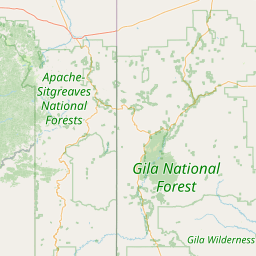
Chiricahua sits in the far southeast corner of Arizona near Willcox, a park of rhyolite spires and balanced rocks left by a volcanic eruption about 27 million years ago. It rises from the Chiricahua Mountains, a sky island range where desert, grassland and forest meet. First protected as a national monument in 1924, it became Chiricahua National Park when the Chiricahua National Park Act was signed on October 20, 2026. The park covers about 12,000 acres. The International Dark-Sky Association (now DarkSky International) named it the 104th International Dark Sky Park in the world in 2021. DarkSky described the sky as nearly untouched at the zenith, with small, distant light domes mainly on the western horizon. Our own estimate is Bortle 2.
The NPS park guide says you can see very starry skies from any open parking area, such as Faraway Ranch or Bonita Creek. For the first stars low on the horizon it points to Echo Canyon and Massai Point, at the top of the 8 mile scenic drive. Sleeping is only allowed in the campground. Bonita Canyon Campground is small and primitive, with 23 sites, flush toilets and water but no showers, and it is reservation only. Animals are active at night, so drive the park road slowly. Cell reception near the park is poor.
From this far south the Milky Way core climbs to about 29 degrees above the southern horizon. Our data gives June, May and July the most hours of core visibility.
Milky Way Calendar
Nightly visibility ratings for Chiricahua National Park International Dark Sky Park
Recognition
2021
DarkSky International
2a
4,866 ha
Nearby Dark Sky Locations
View all
Bisbee International Dark Sky Community
Kartchner Caverns State Park International Dark Sky Park
Oracle State Park International Dark Sky Park
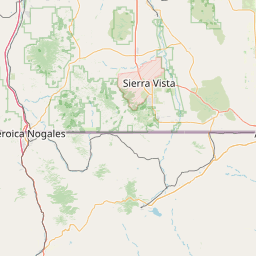
Tubac International Dark Sky Community
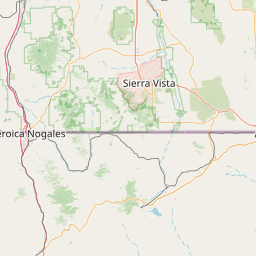
Tumacácori National Historical Park International Dark Sky Park