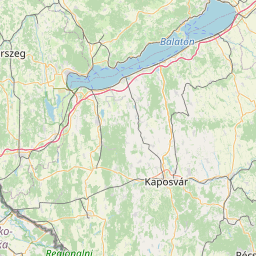
Hortobágy Starry-Sky Park/International Dark Sky Park
About Hortobágy Starry-Sky Park/International Dark Sky Park
Hortobágy National Park in eastern Hungary was the country's first national park, and it protects the largest continuous native grassland in Europe. The park directorate gives its size as 82,000 hectares and calls it one of the biggest unpopulated areas in Hungary. It is a World Heritage Site, and in 2011 the International Dark-Sky Association named it a Silver Tier International Dark Sky Park. The directorate says lighting rules and zoning let it control artificial light, partly to protect nocturnal wildlife and migrating birds.
The directorate recommends two places to watch the sky. One is a safe pull-off by the paved road between Balmazújváros and Tiszacsege, near the 3 km marker. The grassland beside it is protected and closed to visitors, so stay at the roadside. In October you can watch cranes fly in at dusk and stay on for the stars. The other is the parking area at the Hortobágy fish ponds, by the Halászbárka visitor center. You need no permit to stargaze from the lot at night, but the nature trail there is closed after dark. The park's own observatory, the Hortobágyi Csillagda, has no programs in 2026 for technical reasons, and astronomy events move to other park sites.
No official sky quality meter reading appears on the directorate's pages we checked. Our light pollution map estimates Bortle 4 at the coordinates we use. The flat puszta gives open horizons, which matters here. The Milky Way core peaks only around 13 degrees above the southern horizon. In our data May, April and July give the most core hours.
Milky Way Calendar
Nightly visibility ratings for Hortobágy Starry-Sky Park/International Dark Sky Park
Times in Central European Standard Time/Central European Summer Time
Recognition
2011
DarkSky International
2a
82,000 ha
Nearby Dark Sky Locations
View all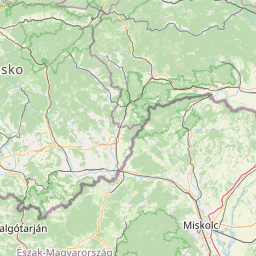
Bükk Starry Sky Park/International Dark Sky Park
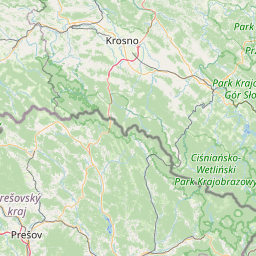
Poloniny Dark Sky Park
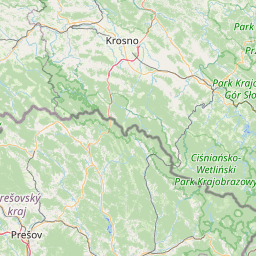
Bieszczady Starry-Sky Park
Sopotnia Wielka Dark Sky Community
Beskydy Dark Sky Park