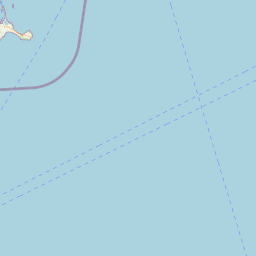
Isla de Tabarca - Punta Falcón Starlight Wilderness
About Isla de Tabarca - Punta Falcón Starlight Wilderness
Tabarca is the smallest inhabited island in Spain, off the coast of Alicante, and it was the first marine reserve of fishing interest declared in the country. In January 2022 the Starlight Foundation presented the island's Paraje Starlight certificate at the FITUR tourism fair. It was the first place in Alicante province to earn that certificate.
The certified observing point is Punta Falcón, at the eastern tip of the island. The Alicante tourism board describes it as an islet area known as "el campo," with no buildings and little light pollution. Starlight Foundation experts checked cloud cover, sky clarity and image quality there before certifying it. Neither the foundation nor the city published sky quality meter readings that we could find. Our light pollution map estimates Bortle 8 at our coordinates, which reflects the glow from the mainland coast more than the dark eastern tip.
The foundation lists Scorpius and Sagittarius among the summer constellations visible from Punta Falcón, and that is the Milky Way core region. In our data the core peaks around 23 degrees above the southern horizon. June, May and July give the most core hours, with April and August next.
Getting there means a boat. The city tourism page lists departures from Alicante and Santa Pola, plus a service from Benidorm. You will need to check whether a crossing fits your plans for a night session, since the official pages do not give evening schedules. The certification was meant to bring visitors outside the summer beach season, so the town is promoting year round astrotourism.
Milky Way Calendar
Nightly visibility ratings for Isla de Tabarca - Punta Falcón Starlight Wilderness
Times in Central European Standard Time/Central European Summer Time
Recognition
2022
Fundación Starlight (Starlight Initiative)
6a
72 ha
Nearby Dark Sky Locations
View all
Monteiberico - Corredor de Almansa Region Starlight Tourism Destination
Campos de Hellin Starlight Tourism Destination
Observatorio Cabezo de la Jara Starlight Stellar Park
La Manchuela Starlight Tourism Destination
Tierra Bobal Starlight Tourism Destination