Mano del Desierto Starlight Tourism Destination
About Mano del Desierto Starlight Tourism Destination
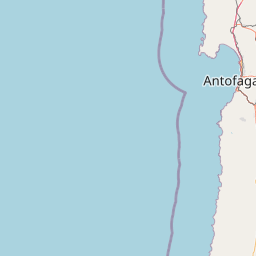
The Mano del Desierto is a giant concrete hand rising out of the Atacama Desert, the work of Chilean sculptor Mario Irarrázabal. Chile's official tourism site places it about 45 kilometers south of Antofagasta, at more than 1,100 meters above sea level. The Starlight Foundation certified the site as a Starlight Tourist Destination in December 2014. It was one of three sites in the Antofagasta Region put forward together, along with Pampa Joya near María Elena and Alto Loa near Calama.
The application came out of a regional project to develop astrotourism, run by Fundación EuroChile and the Universidad Católica del Norte. It was funded by CORFO's InnovaChile in coordination with Sernatur and the local governments. Sernatur presented it as a way to build tourism around the region's observing conditions.
No official sky meter reading for the site turned up in our search. Our light pollution map estimates Bortle 2 at the point we use, which fits open desert away from towns. Chile's tourism board suggests arriving at sunset, as the Milky Way starts to show above the horizon.
The sky geometry here is very different from the northern hemisphere. The galactic core passes almost straight overhead, peaking around 85 degrees, so you can frame the hand with the core high above it. June, July and May give the most core hours in our data. Those are the southern winter months, with long nights. The core is up for part of the night in most months, falling away only around December and January. Desert nights get cold, so bring warm layers.
Milky Way Calendar
Nightly visibility ratings for Mano del Desierto Starlight Tourism Destination
Recognition
2014
Fundación Starlight (Starlight Initiative)
4b
8,000 ha