Tähuna Glenorchy International Dark Sky Sanctuary
About Tähuna Glenorchy International Dark Sky Sanctuary
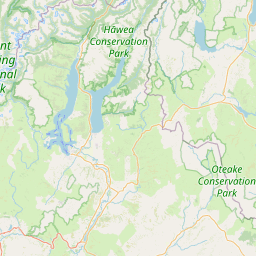
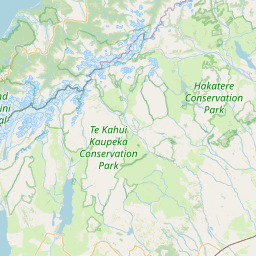
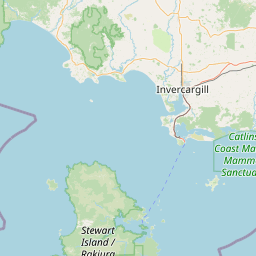
The Tāhuna Glenorchy Dark Sky Sanctuary takes in part of the Southern Alps at the head of Lake Whakatipu in New Zealand's Queenstown Lakes District. DarkSky describes it as about 200,000 hectares. More than 75 percent of it lies within the Te Wāhipounamu UNESCO World Heritage Area, largely in Mount Aspiring National Park. DarkSky International certified it in 2025 as New Zealand's fifth International Dark Sky Sanctuary. The townships of Glenorchy and Kinloch are outside the sanctuary, and the only lighting inside it belongs to Department of Conservation huts. DOC hut rangers helped take light readings in remote parts of the area for the application.
This is about as dark as a place gets. Our light pollution map rates it Bortle 1. To shoot inside the sanctuary you go on foot, using DOC tracks such as the Routeburn, Greenstone-Caples, Rees-Dart and Lake Sylvan. Closer to town, DarkSky mentions stargazing from the lakeshore and watching for aurora from the Glenorchy wharf. The sanctuary also carries Kāi Tahu star knowledge, and the community runs an annual Matariki dinner along with talks with local libraries and Otago Museum.
At 44.5 degrees south the Milky Way core passes about 74 degrees up, close to the zenith, so tall peaks won't block it the way they would in the north. Our data gives June, July and May the most core hours. Those are winter months in the Southern Alps, so plan for cold nights and check track conditions with DOC before heading out after dark.
Milky Way Calendar
Nightly visibility ratings for Tähuna Glenorchy International Dark Sky Sanctuary
Times in New Zealand Daylight Time/New Zealand Standard Time
Recognition
2025
DarkSky International
2a
20,000 ha