Recommended Resources
Everything here is something I personally use, have read, or can vouch for. No filler — just the stuff that's actually helped me become a better astrophotographer.
Photographers to Follow
These photographers consistently inspire me and share knowledge generously with the community.
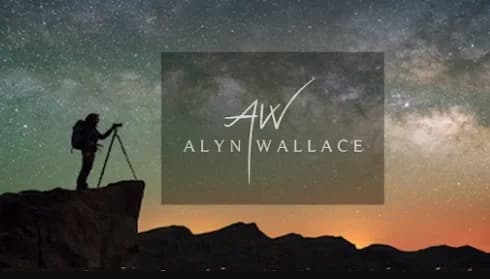
One of the most generous educators in astrophotography. His YouTube channel covers everything from planning and shooting to detailed editing walkthroughs, and he had a gift for making advanced techniques feel approachable.
Note: Alyn passed away unexpectedly in 2024, but his channel remains one of the best resources for anyone learning nightscape photography.
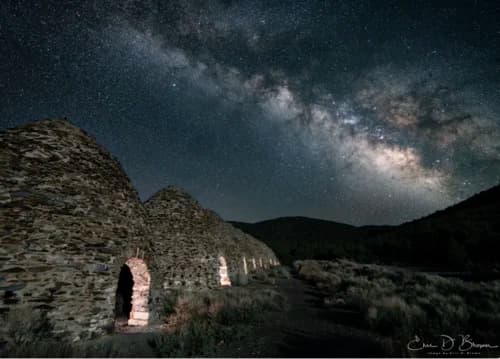
I know... this is kind of selfish, but I have to do it. I'm the guy behind Milky Way Planner. I shoot landscape astrophotography across the western US and build the tools I wish existed when I was starting out. My work focuses on combining dramatic foreground elements with the night sky — canyons, mountains, and desert formations. I share my process and what I'm learning along the way.
Books
The books that have had the biggest impact on my astrophotography journey.
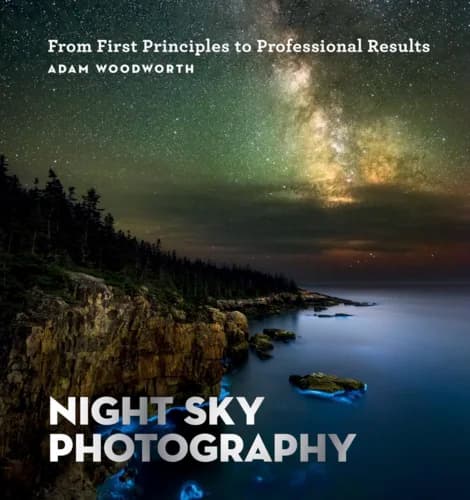
Night Sky Photography: From First Principles to Professional Results
by Adam Woodworth
A solid resource for anyone serious about improving their nightscape work. He also runs workshops where he teaches hands-on, and he's been using planning tools like MWP to help his students find the best shooting windows.
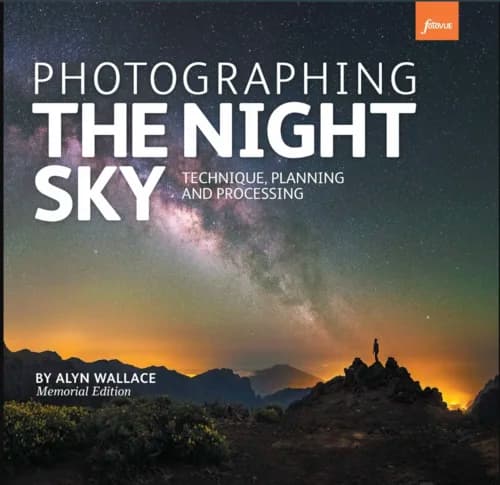
Photographing the Night Sky
by Alyn Wallace
The most comprehensive guide to landscape astrophotography I've come across — 570 pages covering everything from gear and settings to multi-exposure techniques and post-processing. Alyn had a way of making complex topics accessible, whether you're just starting out or refining your workflow. Alyn passed away unexpectedly in 2024, and this memorial 2nd edition features a new cover and several pages devoted to him. A book every astrophotographer should have on their shelf.
Workshops
Investing in education accelerated my growth faster than any piece of gear.
From photographers I trust
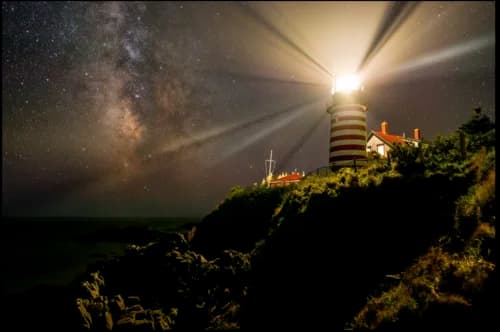
Adam Woodworth Photography Workshops
by Adam Woodworth
Adam runs small-group workshops across the northeast — from Milky Way sessions on Maine's Bold Coast to iceberg chasing in Newfoundland and fall colors in Cape Breton. His teaching style is patient, precise, and covers everything from field technique to post-processing in Lightroom and Photoshop. Alumni consistently highlight the personalized attention and how much they learn in a few days.
Gear
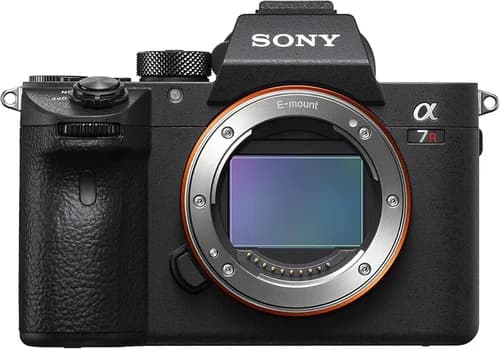
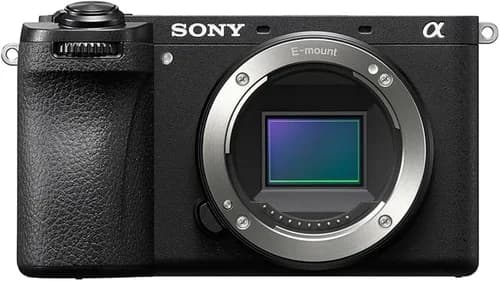
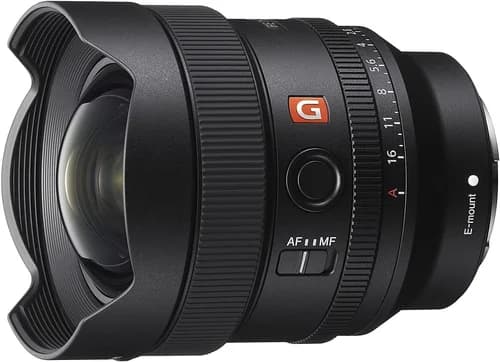
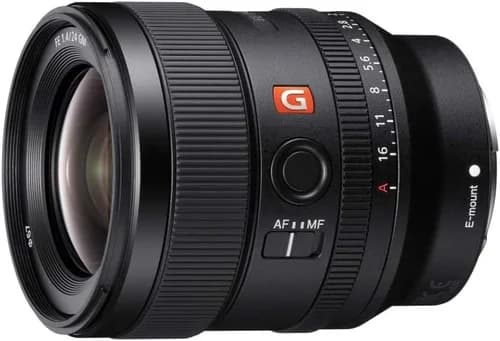
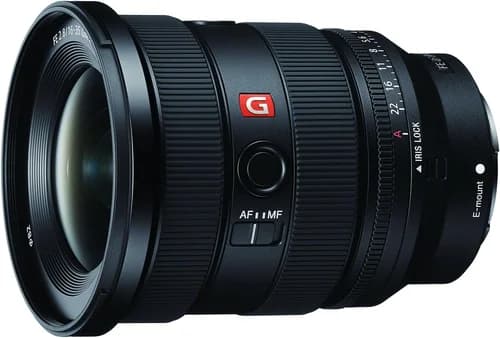
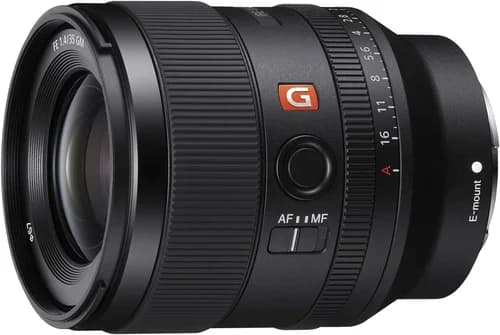
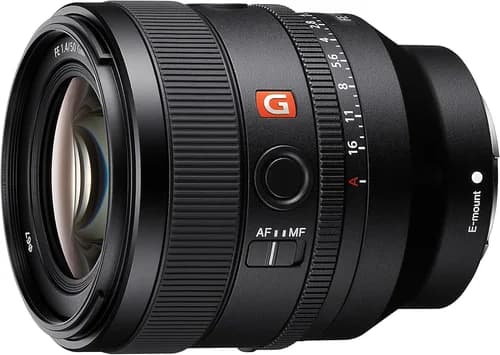
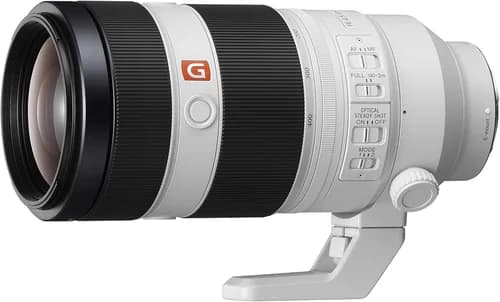
What I actually take into the field. I care more about reliability and results than specs; if it's on this list, it's because I've used it and trust it.
Cameras
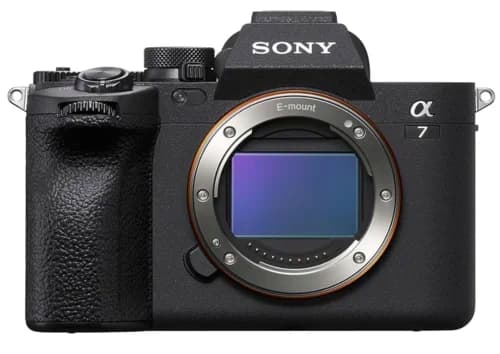
Lenses
Accessories
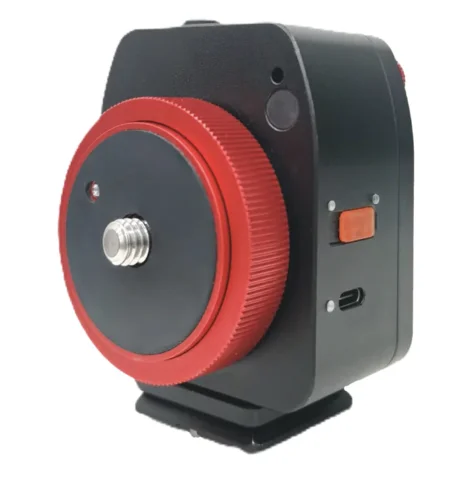
Move Shoot Move Nomad
The most portable star tracker I've found. Small enough to fit in a jacket pocket, no polar scope needed — just point it north and go. I use it for widefield tracked shots when I don't want to carry a full equatorial mount. Great for travel and backpacking trips where every ounce counts.
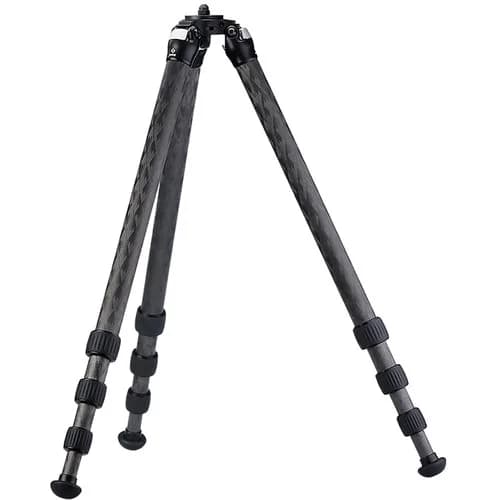
Really Right Stuff TVC-24 Versa Series MK2
Rock solid carbon fiber tripod that handles wind and uneven terrain without flinching. It's not cheap, but for astrophotography where any vibration ruins a long exposure, stability is everything. I've used this on rocky ridgelines and sandy desert floors and it doesn't let me down.
Some links on this page are affiliate links. I only recommend products I personally use and trust. Purchasing through these links helps support Milky Way Planner at no extra cost to you.