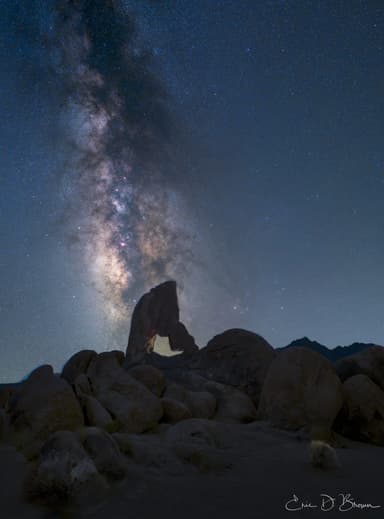
Breaking the Astrophotography Routine

Creative stagnation hits every astrophotographer eventually. The same compositions, the same processing style, the same Instagram locations. You're technically proficient but artistically stuck. The solution isn't new gear or trending hashtags. It's planning creativity the same way you plan your shoots. Here's how to map your creative evolution across seasons and break out of the rut.
You've been shooting the Milky Way for three years. Your technique is solid. Your equipment is reliable. You know which lens to grab for Delicate Arch in March, when the galactic center clears the horizon at Lake Tahoe, and how long your camera battery lasts at 2 AM in Joshua Tree.
Creative stagnation hits every astrophotographer eventually. The same compositions, same processing style, same locations you've seen on Instagram a thousand times. You're technically proficient but artistically stuck.
The solution isn't buying new gear or chasing trending hashtags. It's planning creativity the same way you plan your shoots.
Most photographers resist planning their creative development. "Inspiration can't be scheduled," they argue. "Art happens spontaneously."
This thinking works for weekend snapshots, but it fails for serious astrophotography, where spontaneity often means missed opportunities and wasted trips.
Creative growth needs structure. In astrophotography, conditions, locations, and timing intersect in complex ways. Random experimentation leads to random results. Planned experimentation builds skills systematically.
Consider photographer Michael Shainblum's evolution from standard Milky Way shots to his current style, which combines multiple exposures and motion. That transformation didn't happen overnight or by accident. It required years of planned experimentation, building new techniques on solid foundations.
Map Your Creative Evolution
Start by auditing your current work honestly. Open your last 50 astrophotographs and categorize them by foreground types, compositions, processing styles, and shooting techniques.
Most photographers discover they've been shooting variations of the same three setups for months. This audit reveals your creative comfort zone and highlights unexplored territory.
Next, identify specific skills or styles you want to develop.
Avoid vague goals like "be more creative." Choose concrete targets instead. "Master star trail composites with moving foreground elements" provides a clear target. "Develop a consistent style for urban astrophotography that shows light pollution as beauty, not a problem" does the same.
The Annual Creative Calendar
Plan your creative development across entire seasons, not individual shoots. Each quarter should focus on developing one major skill while maintaining your existing strengths.
Spring might be your experimental season. Weather is variable anyway, making it perfect for trying new techniques closer to home. Summer becomes your execution season, applying new skills to epic locations during peak Milky Way visibility. Fall transitions to refinement, revisiting familiar spots with fresh approaches. Winter focuses on planning and processing the year's work.
This approach works because astrophotography skills build on each other. You can't master focus stacking if your single-frame technique is inconsistent. You can't develop a signature processing style without understanding your camera's limitations. Sequential skill development creates compound growth. Each ability multiplies the others.
Location Strategy Beyond Instagram
Social media creates a false impression that only a dozen locations exist for astrophotography. Breaking creative ruts often means breaking location habits.
Plan shoots around creative goals rather than famous landmarks. If you're developing foreground lighting techniques, prioritize locations with interesting textures and shapes over scenic grandeur. A weathered fence post in Nebraska might teach you more than your tenth trip to Monument Valley.
Research locations using Google Earth, not photography websites. Look for geological features, architectural elements, or landscape patterns that complement your current creative focus. Many of the best astrophotography locations aren't photographically famous. They're just dark skies with interesting foregrounds.
Consider planning a multi-year location progression. Start with easily accessible spots to develop new techniques, then apply those skills to more challenging or remote locations. Our lesson on multi-night trip planning covers how to structure extended shoots across multiple locations. This systematically builds both technical ability and location knowledge.
Technical Progression Planning
Creative growth in astrophotography often requires expanding your technical toolkit. Plan equipment additions and technique development around your creative goals, not gear reviews or sale prices.
If you want to shoot wide-field nebulae, plan the 18-month progression. Start with learning constellation patterns and nebula locations. Practice untracked single exposures to understand what's possible with your current gear. Master manual focusing techniques for longer exposures. Finally, invest in tracking mounts and learn guided imaging.
This progression approach prevents expensive mistakes and ensures you understand why each tool matters. Too many photographers buy star trackers before mastering untracked technique, then struggle with polar alignment because they never learned to work with Earth's rotation.
Seasonal Theme Development
Each astrophotography season offers different creative opportunities. Plan themes that align with seasonal strengths while advancing your skills.
Summer's warm weather and peak galactic visibility support ambitious projects requiring multiple nights. Use the annual calendar to identify the best weekends across the entire season. Time-lapse sequences, panoramic mosaics, and complex composites blending multiple moonrise cycles with consistent Milky Way positions are now possible.
Winter's long nights and harsh conditions favor intensive processing and technical skill development. Use the season to master advanced blending techniques, develop your color grading abilities, or learn new software.
Spring and fall serve as transition periods for scouting new locations, testing equipment modifications, and planning major projects for peak seasons.
Documentation
Creative development requires tracking progress over time. Most photographers remember their best shots but forget the failed experiments that led to breakthroughs.
Document your creative experiments as thoroughly as your technical settings. Note what inspired each composition, which techniques you tested, what failed, and why. This documentation becomes invaluable for planning future development and avoiding repeated mistakes.
Create annual reviews comparing not just your best work, but your experimental progress. Which planned developments succeeded? Which stalled? What unexpected techniques emerged from failed experiments?
Planning Tools for Creative Growth
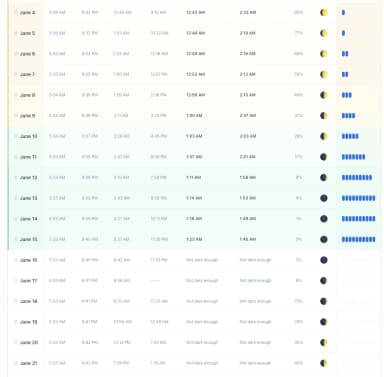
Long-term creative planning benefits from the same tools used for shoot planning. MilkyWayPlanner.com helps visualize how seasonal changes affect potential compositions over time, supporting creative planning beyond single shoots.
Calendar blocking works for creative development just like business projects. Schedule specific dates for experimenting with new techniques, researching locations, or learning software skills. Without scheduled time, creative development gets pushed aside for urgent technical concerns or social media management.
Consider keeping a creative planning notebook separate from your shot notes. Use it for sketching composition ideas, researching artistic references, and tracking long-term project development.
Beyond the Comfort Zone
Real creative growth requires deliberately choosing difficult projects. Easy success builds confidence but doesn't expand abilities.
Plan projects slightly beyond your current skill level. If you've mastered single-exposure landscapes, plan a complex panoramic mosaic. If you're comfortable with natural processing, experiment with artistic color grading. Consider trying star trail photography or vintage lenses for a completely different creative challenge.
Set annual creative challenges with specific completion dates. "Shoot a 360-degree time-lapse sequence by August" forces creative problem-solving. "Develop a consistent processing workflow for urban astrophotography by year-end" prevents endless preparation.
The Long View
Creative development in astrophotography spans years, not months. Plan with patience for gradual improvement rather than dramatic transformation. The photographers whose work you admire spent years developing their vision and skills.
Your creative plan should evolve with your interests and abilities. Review and adjust quarterly, but maintain focus on long-term growth over short-term trends. The goal isn't viral photos. It's developing a unique perspective that keeps you excited about pointing your camera at the night sky.
Planning creativity might seem contradictory, but astrophotography teaches us that the best results come from preparation meeting opportunity. Apply that same principle to your artistic development, and watch your work transform from technically competent to truly compelling.