Moon Phase for Milky Way Photography: What Actually Matters
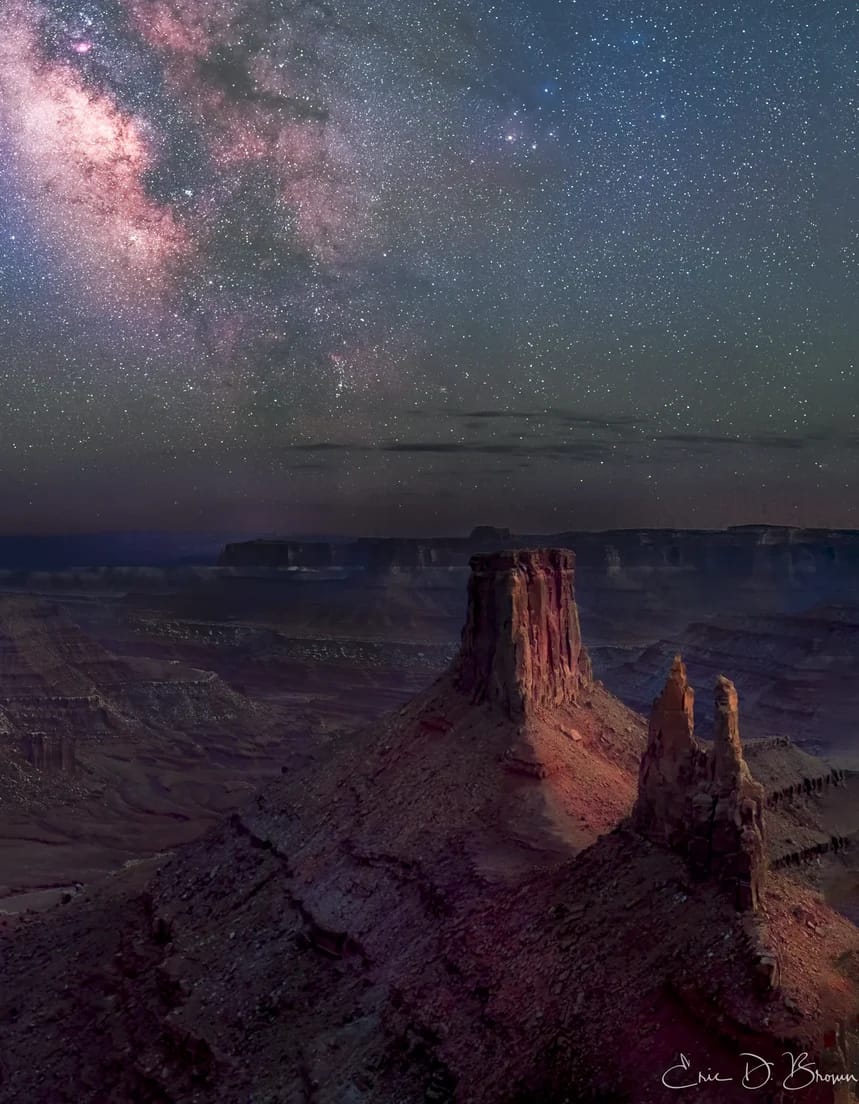
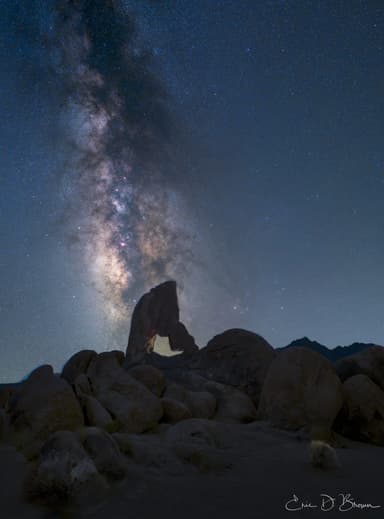
New moon is the easy answer and the wrong variable. Two nights in Moab, four percentage points apart on the phase calendar, and only one of them is worth the drive.
A few springs ago I drove two and a half hours to a dark site on a night I had already decided was good. It was Milky Way season, the core was up on the star chart, and I'd talked myself into it somewhere around the first hour of the drive. When I got out of the car the sky was bright in a way that felt wrong for a place that far from anything. The core was up, exactly as promised...and so was the moon.
I checked the moon phase before I left and saw a number I decided was tolerable. I never asked the question that mattered: was the moon going to be in the sky at 1am, or below the horizon?
"Shoot at new moon" is advice that's right often enough that most people never learn the actual rule. Phase tells you how much of the moon is lit. It tells you nothing about whether that lit moon is up during the hours you plan to shoot.
What the moon is doing to your frame
The faint structure you drove out for, the dust lanes, the bright knot of the core, the sense that the sky has depth, all of it lives in the bottom few stops of your dynamic range. Moonlight raises the whole background. Once the background comes up, that structure flattens. You'll still get stars. You might still pull a milky band out of it in processing if you stretch hard enough. What you lose is contrast.
A moon below the horizon contributes none of that, no matter what phase it is. Take two nights in Moab next May. On May 13 the moon is 54% lit and sets at 2:24 in the morning, so it sits in the sky through the first three hours of the core window and leaves you under two hours of dark core time at the very end of the night. On May 28 the moon is 50% lit and doesn't rise until 1:44am, so the core comes up at 10:27 into a dark sky and you get three hours and change before the moon shows up at all. Four percentage points apart on the phase calendar, and one of them takes your evening while the other hands it to you.


So I've stopped planning from phase and started planning from two clock times. When does the moon set, or rise, and when is the core up in astronomical darkness? The overlap between those two windows is the only part of the night I can photograph. I'll take a last-quarter moon that doesn't rise until midnight over a first-quarter moon that doesn't set until midnight, and for years I judged both off the same 50% number.
Moonlight on a foreground can be good, though, and the people who plan strictly around new moon never get to use it. A low crescent putting soft light on sandstone while the core holds contrast overhead is a better photograph than the same scene under a black foreground you have to light-paint. I treat that as a bonus on a night that was already dark enough. It doesn't tell me to shoot the core under a bright moon. Those are two different jobs, and mixing them is how people end up disappointed under a beautiful moon.
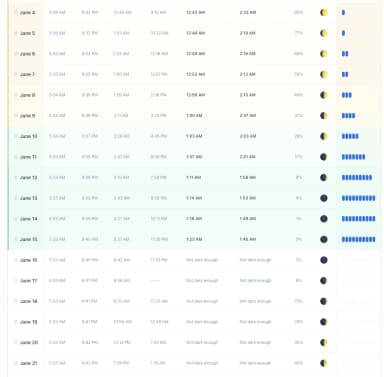
The sequence I run takes a few minutes once a month. I start with the new moon date for the month I care about, which is an anchor rather than a target. Then I look at the nights on either side of it and read three things together: whether the core is up during astronomical darkness at my location, where the moon is during those specific hours, and whether the combination still looks like a night worth driving for. I want a stretch, not a single square, because weather is going to take one or two of them away from me.
I do this on the free location calendar at milkywayplanner.com. It folds core timing, moon, and darkness into one nightly rating for the coordinates you set. Set the pin where you'll be standing: a location forty miles away has different core hours and, if you're anywhere near a mountain range, a meaningfully different horizon.
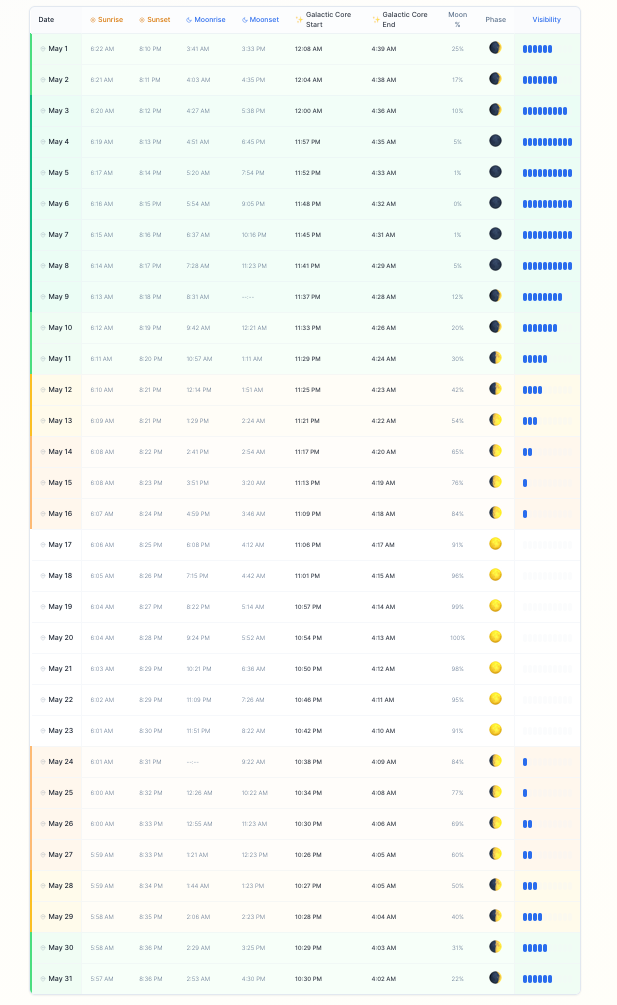
When a night has a strong core window and the rating still comes out low, the moon is the reason. When a crescent night rates better than I expected, the moon is setting early or sitting well away from the core, and that's a night most people skip. Those are the nights I've gotten my best frames on, and I'd never have found them from a phase calendar on my phone.
Pick the moon window before you book anything. On a Moab trip I planned last year the lodging was the constraint that nearly set the dates, and if I'd let it, I'd have paid for three nights under a bright moon for nothing. Core timing and foregrounds are negotiable. A moon in the wrong place makes both of them academic.
If your summer nights keep rating badly and the moon looks fine, don't stop there and blame bad luck. Check how long full darkness lasts at your latitude. North of about 48.5 degrees there are weeks around the solstice with no astronomical darkness at all, and no moon phase fixes that. Twilight and moonlight both raise the sky, and either one can empty a night that looked perfect on a season chart.
I still want the simple rule. "New moon good, full moon bad" gets you pointed the right direction, and for most of a year it won't hurt you. But before I commit a tank of gas and a night's sleep, I check whether the moon is above the horizon during the hours the core is up where I'll be standing. That one check is the difference between a night I planned and another long drive home with a gray smear on the card.
Go pull up next month's new moon, then look at the four nights before it and the four after. For each one, work out how much of your core window has no moon in the sky at all, whether that's because it sets early or because it hasn't risen yet. Take the night with the most darkness.