Solo Astrophotography Safety: Emergency Planning for Remote Night Shoots
I do most of my astrophotography alone. There's something about being out there by yourself at 2am, no one to coordinate with, no compromises on when to leave or where to set up. But shooting solo in remote locations means you're on your own if something goes wrong. I learned this the hard way on a trip to Reflection Canyon when I ran out of water a mile from my vehicle. Real emergency planning starts months before you leave, not the day before.
I do most of my astrophotography alone. There's something about being out there by yourself at 2am, no one to coordinate with, no compromises on when to leave or where to set up. You work at your own pace.
But shooting solo in remote locations means you're on your own if something goes wrong. Most photographers think about safety the day before a trip. Check the weather, text someone your plans, head out. That's not enough. Real planning starts months before you leave.
Start with Location Research
Not every dark sky site works well for solo shooting. Some spots look great on a light pollution map but turn out to be terrible choices once you dig into the details. Use planning tools to research locations thoroughly before committing.
I use Google Earth to study locations before I commit to them. The questions I'm asking: Can I get there in a normal vehicle, or does it require a serious hike? How far is the nearest paved road? Where's the closest hospital?
For each location I might shoot, I keep notes on:
- GPS coordinates (for emergency services, not just for me)
- Nearest hospital and how long it takes to get there
- Cell coverage (check your specific carrier's map, not just the general coverage maps)
- Seasonal access issues
- Weather patterns specific to that area
This sounds like overkill until you're planning a trip for next spring and you already know which sites give you both good skies and a reasonable safety margin. You're not scrambling to figure this out three days before you leave.
Communication Backup
Cell phones don't work in most dark sky locations. That's part of what makes them dark. But no signal doesn't mean no options if you plan ahead.
I carry a Garmin inReach. It lets me send messages and trigger an emergency beacon from anywhere via satellite. The catch: you need to buy and test this stuff months before you need it. Ordering a satellite communicator the week before a big trip doesn't help if you don't know how to use it or whether it works from your planned shooting spot.
Test your communication setup during shorter trips. Send messages from the locations you plan to shoot. Figure out how long they take to send and whether some spots have better satellite visibility than others.
A weather radio is worth throwing in your pack too. Many areas with zero cell coverage still pick up NOAA broadcasts. Knowing a storm is coming beats getting surprised by one.
Medical Kit for Astrophotography
The medical challenges of astrophotography are specific. You're alone. It's dark. You're in unfamiliar terrain. It's often cold. A small injury becomes a big problem fast.
My kit includes:
- Headlamps and extra batteries (you can't treat any injury in the dark)
- Chemical heat packs and an emergency blanket
- Ankle wrap and pain relief (terrain injuries are common)
- Eye protection and saline rinse
- Extra supply of any prescription medications I take
If you have health conditions that could flare up, pick shooting locations closer to medical help. Plan your trips around your health. A challenging solo trip the week after dental surgery or during allergy season creates problems you don't need.
Your Vehicle Is Your Shelter
When you're shooting alone in remote locations, your car becomes your backup for survival. Equipment failures that strand you or leave you without safety gear are serious.
I maintain my vehicle based on my shooting schedule. Before the winter season, I check the battery, tires, and heating system. Summer shooting means checking the cooling system.
What I keep in the vehicle:
- Multiple flashlights and headlamps with extra batteries
- Portable battery pack for phone charging
- More food and water than I think I'll need
- Layers for weather changes
- Basic tools for minor repairs
Plan this stuff during the off-season when you have time to test everything. Our lesson on multi-night trip planning covers the full logistics of planning extended shoots in remote locations. A summer evening testing your winter emergency kit beats finding dead batteries when you're already two hours down a dirt road.
Weather Planning
Weather is the biggest variable. Conditions change fast in a lot of dark sky locations, and when you're alone, you can't split watch duties or talk through decisions with someone else.
Study historical weather patterns for when you plan to shoot. A location that seems reasonable in August can get dangerous in October. Mountain spots might offer clear skies but also 30-degree temperature drops and sudden storms.
Build conservative margins. If the weather history shows storms develop quickly during spring evenings in your target area, plan shoots with easy escape routes. This analysis works best months ahead when you can adjust entire trip plans instead of making rushed compromises.
Before you leave home, decide: At what wind speed do I pack up? How much temperature drop can I handle? What's my backup if clouds roll in? Making these calls at home with good information beats making them in the field under pressure.
The Timeline
Here's how I structure emergency planning:
Three to six months out: Research locations. Test communication gear. Schedule vehicle maintenance. Build up extra medication supplies if needed.
One month out: Lock in routes and backup plans. Confirm that all equipment works. Update emergency contacts with your plans.
One week out: Watch weather trends. Confirm vehicle is ready. Pack an emergency kit. Review procedures.
Day of: Final weather check. Confirm communication with the emergency contact. Verify safety equipment is packed.
This prevents the rushed decisions that lead to cutting corners. When you're eager to catch a perfect Milky Way window, skipping safety steps is tempting. Having systems in place removes that temptation.
Integrate Planning with Your Normal Workflow
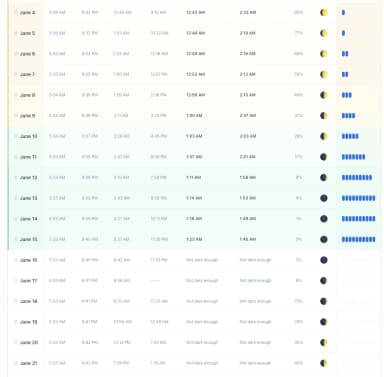
When I'm planning shooting dates using the Milky Way Planner, I factor emergency planning into the same process. I keep location safety data in the same spreadsheet as astronomical information. Emergency contacts, medical notes, and equipment checklists for specific locations.
Long-range weather forecasts work better for planning general timeframes than specific dates. Use them to identify likely patterns during your shooting season, then build emergency plans that match expected conditions.
Making This Automatic
The goal here is to make smart decisions without having to think about them every time. When safety planning becomes part of your normal routine, you make better choices without constant worry.
Solo astrophotography is worth the extra preparation. The images and experiences justify the time spent planning. But those rewards only matter if you get home safely.
Start with easier solo trips and build your skills gradually. A successful solo shoot two hours from home teaches you lessons you can apply to more remote adventures later. If you are still getting started with astrophotography, master the basics before tackling remote solo shoots.
Plan ahead. Stay alert. Trust your preparation when you're out there alone.