Milky Way Photography in Spring: Planning Guide for Peak Season
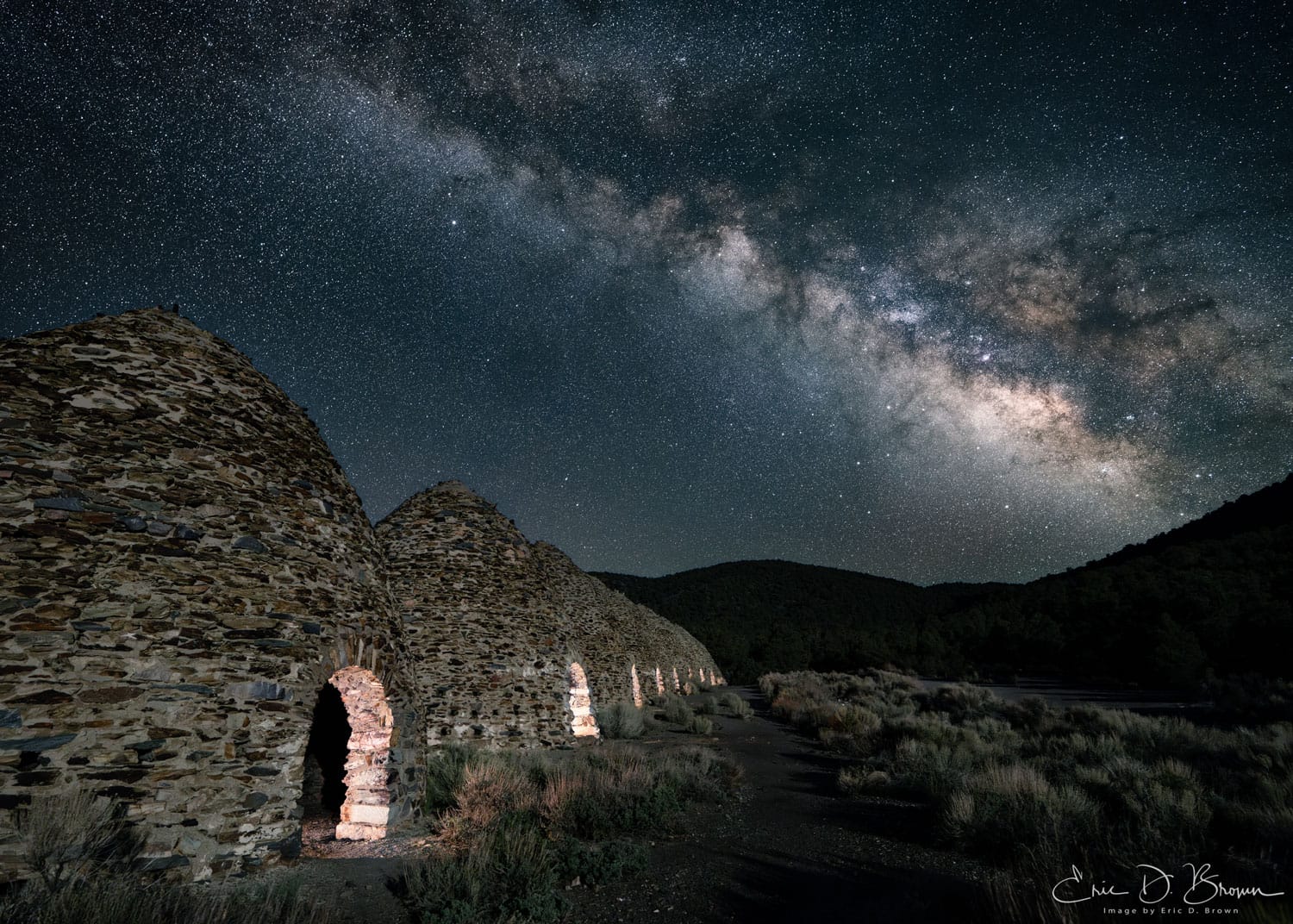
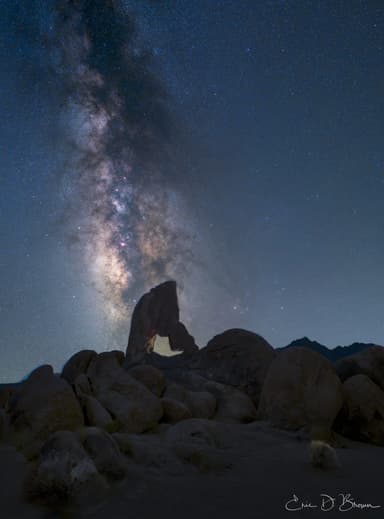
Spring marks the return of galactic core season. Here's how to plan your best Milky Way sessions as the core rises higher each night.
Spring changes everything for Milky Way photographers. After months of winter's limited galactic core visibility, March and April bring the photogenic center of our galaxy back into prime shooting position. But spring also brings unique planning challenges that can make or break your season.
I've been tracking galactic core timing for years now, and spring consistently surprises photographers who don't plan ahead. The core rises earlier each week, weather patterns shift unpredictably, and prime shooting locations often remain inaccessible due to snow or seasonal closures. Here's how to plan around these spring-specific factors.
Understanding Spring's Galactic Core Timeline
The galactic core becomes visible again in late February, but barely. It hugs the southeastern horizon just before dawn — not exactly prime shooting conditions. By March, you get a decent window between core rise and astronomical twilight. April is when things get interesting.
In early April, the core rises around 2 AM in most mid-latitude locations. By month's end, it's up by midnight. This progression happens fast — roughly 4 minutes earlier each night due to our orbit around the sun. That means each week, the core rises about 30 minutes earlier.
This timing shift affects your planning more than you might think. A location that works perfectly at 3 AM in early March might have the core too high overhead by late April. I always check exact rise times for my target dates using the Milky Way Planner rather than assuming seasonal averages. Our lesson on planning your first shoot covers the full planning workflow.
Spring's Unique Moon Phase Considerations
New moon windows matter year-round, but spring adds complications. Longer days mean shorter nights, which compresses your dark sky window. A moon that sets at 10 PM in winter might set at 11 PM or later in spring, eating into your prime shooting hours.
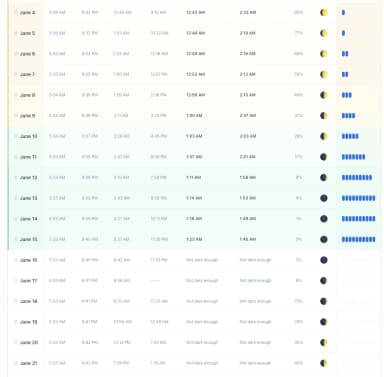
Spring also brings the year's highest full moons. Use the Moon Planner to track exactly when the moon rises and sets during your shooting window. When the sun sits low in our sky, the full moon rides high — and stays up longer. This means the nights surrounding full moon are brighter for longer periods. Plan for darker skies 3-4 days before and after new moon, not just 2-3 days.
The waning crescent moon in spring can actually work in your favor. Since nights are getting shorter, a moon that rises at 3 AM still gives you solid dark sky from sunset until 3 AM — often 6+ hours in April and May.
Weather Patterns and Atmospheric Conditions
Spring weather is notoriously unpredictable, but certain patterns emerge that affect astrophotography planning. Storm systems move through more frequently than in summer, but they also clear out faster. High pressure systems — your friend for clear skies — tend to be shorter-lived than winter's stable patterns.
Atmospheric transparency in spring faces unique challenges. Humidity increases as temperatures rise, reducing contrast in your images. Dust storms kick up more frequently in arid regions. Pollen can create surprising atmospheric haze, especially during tree pollen season in April and May.
I've learned to check more than just cloud forecasts in spring. Humidity, wind patterns, and even air quality alerts factor into my planning. A clear night with 90% humidity rarely produces the crisp Milky Way contrast you want.
Location Access and Seasonal Challenges
Many premier dark sky locations remain partially inaccessible through spring. High elevation sites might be snow-free but still require 4WD access. National parks often keep certain roads closed until May or June, even when the main park is open.
Research access conditions for your target locations well ahead of your planned shooting dates. I maintain a list of backup locations at various elevations and access levels. When my first-choice mountain location is snowed in, I have desert or foothills alternatives ready.
Spring also brings increased wildlife activity. Bears emerge from hibernation. Snakes become active. This doesn't mean avoid these areas, but plan accordingly — bear spray, first aid knowledge, and awareness of seasonal wildlife patterns become part of your location research.
Planning Your Spring Shooting Calendar
Start with your local new moon dates, then work backwards. For each new moon window, check galactic core timing for your planned locations. In spring, I typically plan shoots for days 2-5 of each new moon cycle, when the sky is dark but the moon hasn't completely disappeared (having a sliver of moon can help with foreground lighting).
Consider the 10-day weather forecast reliability limit. Spring weather changes fast enough that 14-day forecasts become nearly meaningless. Plan flexible date ranges within each new moon window rather than committing to specific nights weeks in advance.
Build your spring calendar around gradual progression. Start with lower elevation, more accessible locations in March and early April. Plan your high-altitude destinations for late April through June, when access improves and weather stabilizes.
Gear Considerations for Spring Conditions
Spring's temperature swings create condensation challenges you don't face in stable winter or summer conditions. A 40-degree temperature drop from sunset to 3 AM can fog your lens or frost your camera. Pack lens warmers, extra batteries (cold kills battery life), and dew shields.
I always bring more layers than I think I need. Spring nights can start at 60 degrees and drop to 30 by dawn. Staying comfortable through 6-8 hour shooting sessions requires planning for the lowest expected temperature, not the sunset temperature.
Consider your transportation situation carefully. Spring mud, late snow, and washout potential make high-clearance vehicles more important than in summer. I've seen photographers hike an extra 2 miles because they didn't anticipate spring road conditions.
Making the Most of Spring's Short Season
Spring's Milky Way season feels short because it is. You have roughly 8-10 weeks between "core barely visible" and "full summer conditions." Within that window, you're working around monthly new moon cycles and unpredictable weather.
I prioritize my must-shoot locations during spring's optimal window. Those bucket-list shots get scheduled first, with backup dates built in. Less critical locations get pushed to summer when weather is more predictable and I have more shooting opportunities.
Track your success rate from previous springs. If weather typically disrupts 40% of your planned shoots, build that into your expectations. Plan more shooting opportunities than you think you need.
Looking Ahead: Building Your Summer Foundation
Spring planning sets up your entire summer. The core timing skills you develop tracking March and April conditions apply through August. The weather research techniques you build become essential for summer travel planning.
Use spring as your training ground for new locations and techniques. Summer's stable conditions are forgiving, but spring teaches you to plan for variables. The photographer who masters spring planning handles summer's challenges with confidence.
Your spring shooting calendar also reveals patterns in your local weather and atmospheric conditions. Note which areas clear fastest after storms, which elevations avoid inversions, and which directions offer the most reliable access. This local knowledge becomes invaluable for quick-decision summer shoots.
Start planning your spring Milky Way sessions now. Check galactic core timing for your area on the annual calendar, research location access conditions, and mark those new moon windows on your calendar. Your latitude plays a major role in when the spring season actually begins at your location. Spring waits for no one, but photographers who plan ahead get the best of what this transitional season offers.