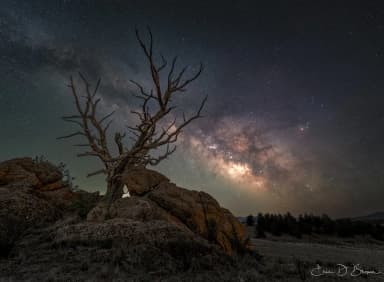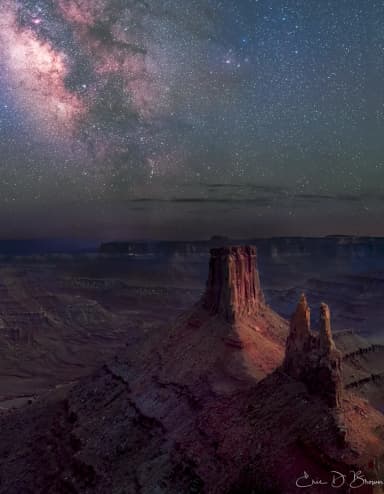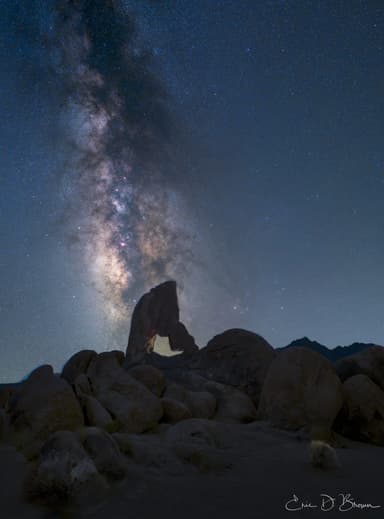
How Milky Way Visibility Ratings Work (Core, Moon, Darkness)
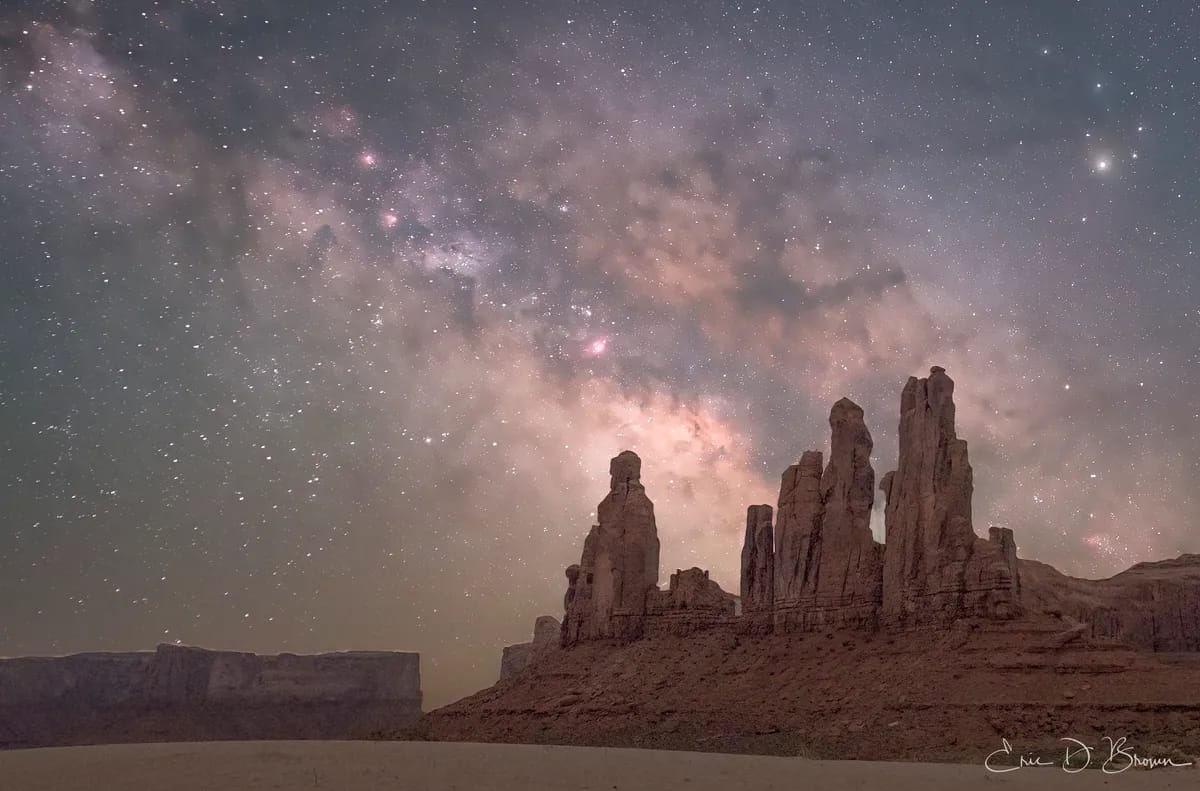
A visibility rating is not a forecast. It scores three things knowable years ahead, which is the only reason planning months out works.
For a while my planning routine was three apps and a notebook. One for moonset, one for twilight times, one for where the core would be, and a column of arithmetic to see whether the three overlapped. Doing that by hand for eight candidate weekends in a season is how I ended up writing software instead of taking pictures for a few months, which is not the trade I set out to make.
People read a visibility rating as a forecast. It isn’t. A forecast would not help you pick dark weekends months out; this score only checks whether core, darkness, and moon overlap.
What the rating scores
For one night at one set of coordinates, the rating does the overlap check I used to do in the notebook: it helps to determine whether you get a practical window on the galactic core. You can have the core up and still have no darkness, or a favorable phase with the moon up through your core hours, and either one wastes the trip. All three have to hold on the same night.
First, the galactic core has to be above the horizon, and high enough to be worth shooting. Altitude matters as much as presence: a core scraping along at five degrees is looking through a lot more atmosphere than one at thirty. The galactic center sits near declination minus 29, which means southern latitudes see it ride high and northern mid-latitudes see it stay low. Far enough north and a star chart will show Sagittarius up while the practical window is thin or nonexistent.
Second, the sky has to reach astronomical darkness, which means the sun is roughly 18 degrees or more below the horizon. Civil and nautical twilight are not dark enough for the core, and this is the factor people skip entirely. Short summer nights at higher latitudes shrink that window, and above about 48.5 degrees there are weeks around the solstice with no astronomical darkness at all.
Third, the moon has to be out of the way during the specific hours the core is up, which means below the horizon or dim enough not to matter. A favorable phase on its own does not get you there. Moonlight raises the background and the core's contrast goes with it.
Every one of those three is orbital mechanics. Where the core sits, when the sun clears 18 degrees, when the moon rises and sets: all of it is computable for any date and any coordinates, decades out. None of it is a weather forecast. That's why you can pick your dark weekends for next June in October and trust the answer.
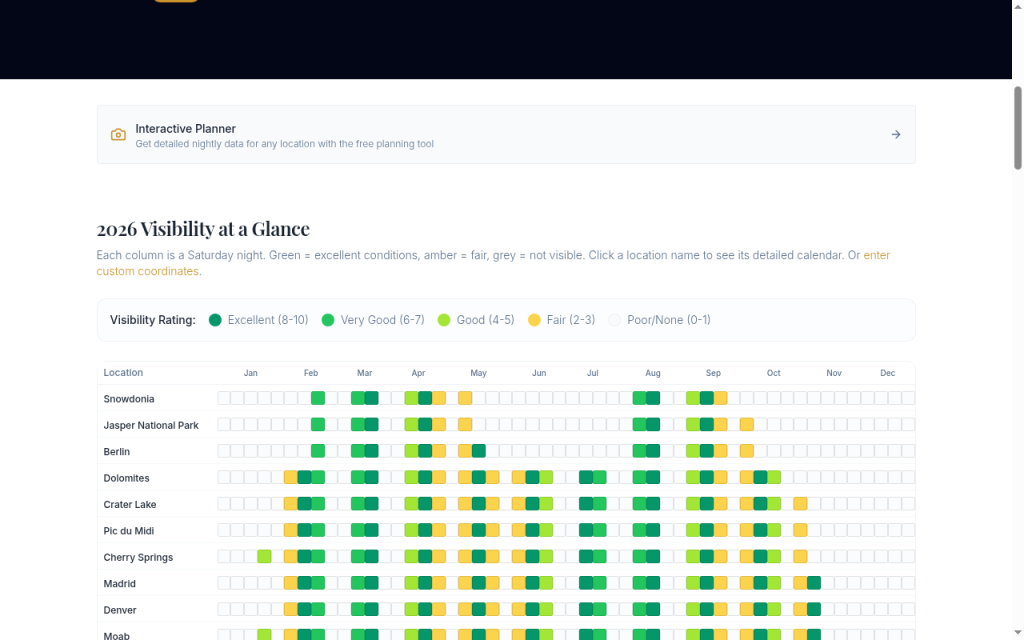
Weather is the opposite kind of problem, and that's why it's deliberately not in the score. Neither is light pollution. A strong rating over a suburban park does not invent dark skies there, and it does not promise clear ones. What it tells you is that the geometry is not the reason your night will fail, which narrows the list of things that can go wrong to exactly one, and that one you check three days out.
A rating is also strictly local, which is why a country-level "shoot in July" list is close to worthless. The same date in Moab, Jasper, and the Atacama lands in three different places, because core altitude, darkness length, and local moon timing all move with where you're standing. Set the pin on the ridge you'll be on, not the town twenty minutes away.
The complaint I get most is a peak-season month that rates badly, and the calendar is almost always right about it. When a July or August stretch rates badly at your pin, it's the moon or it's darkness, and the row tells you which. A moon percentage up in the eighties against core hours in the middle of the night is the moon. A core column reading "No twilight" is darkness, and that one is about your latitude rather than the date. Peak months contain full moons like every other month, and a bright moon during your core hours drops the rating no matter how good the core geometry is, which is the easy case to diagnose.
If you're far enough north, the core can be beautifully placed on a night the sky never gets dark enough to photograph it. The rating goes empty on purpose there, and it reads like a bug because "peak season" is supposed to mean something. Peak season describes where the core is. It says nothing about whether your latitude's sky ever gets dark. I wrote that up specifically in Milky Way photography in June by latitude.
So when I read a month, I'm doing four things and it takes a couple of minutes. I set the pin on the actual spot. I look for clusters of strong nights around the dark moon, because I want a stretch rather than one square, since weather is going to take one from me. I read the core start and end times on the candidate nights against where the moon is, because the gap between those is what decides whether I'm shooting for forty minutes or four hours. Then I solve lodging and drive time around what's left.
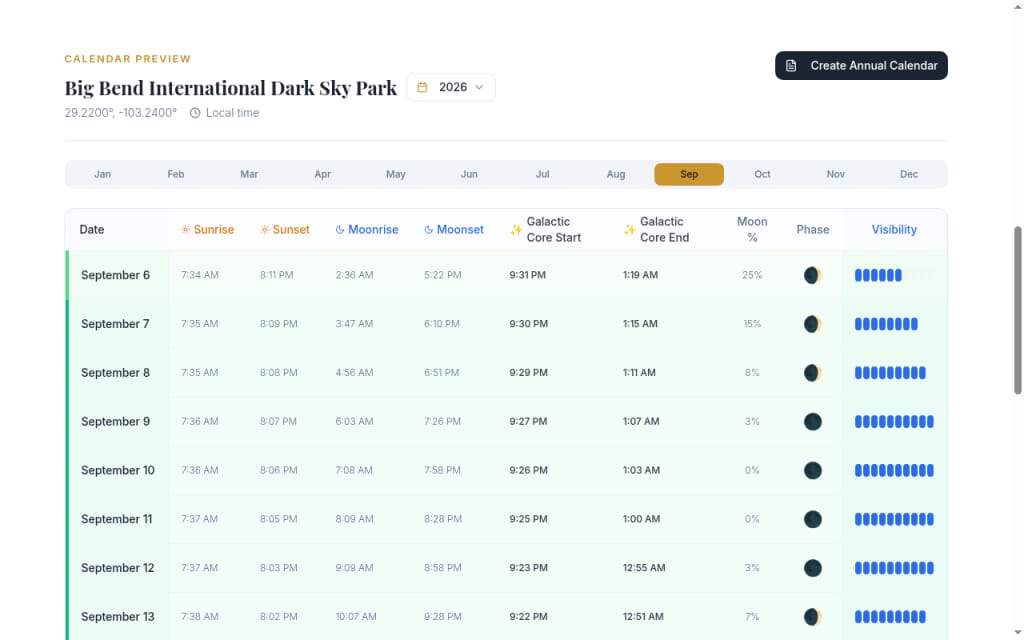
When two weekends look about the same, I take the one with the cleaner moon and the longer dark-core overlap. And when a night in peak season rates low, I don't argue with it. One of the three failed, the row says which, and there's usually another night that week.
A disappointing month is worth reading one bad night across, rather than taking the rating and closing the tab. Moon means you have other nights that week. "No twilight" in the core column means a latitude problem and a different month entirely. The rating is a verdict, the row is the reason, and the reason is the part that changes what you do.